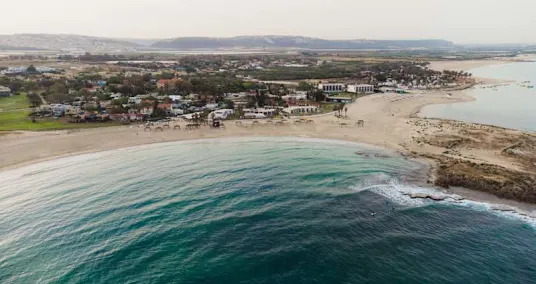
The discovery was made in an ancient shipwreck in the Dor Lagoon near the Carmel Coast, where archaeologists recovered nine pieces of unprocessed iron known as “blooms.”
Researchers from the University of Haifa said Wednesday that an underwater excavation off Israel’s northern Mediterranean coast uncovered what they described as the earliest known cargo of raw iron transported by ship, dating back around 2,600 years, Xinhua reported.
The discovery was made in an ancient shipwreck in the Dor Lagoon near the Carmel Coast, where archaeologists recovered nine pieces of unprocessed iron known as “blooms.” According to the university, the find provides direct evidence of how iron was transported in its earliest commercial stages.
The material was preserved in its original form, having solidified directly in a smelting furnace without undergoing forging or further refinement. Researchers said this distinguishes the cargo from later iron artifacts that typically show signs of shaping or tool-making.
Unlike copper and bronze, which could be melted into liquid form in ancient production processes, iron was heated with charcoal to produce a solid, porous mass. That mass was generally hammered to remove impurities and create denser material suitable for tools and implements.
The recovered blooms showed no indication of that secondary processing stage, suggesting they were transported immediately after production.

Earliest iron shipment discovered in ancient Mediterranean wreck
To determine the age and condition of the cargo, researchers conducted microscopic and chemical analyses.
Radiocarbon dating was also carried out on charred wood embedded in one of the pieces, helping confirm the timeline of the shipment. The findings were published in the journal Heritage Science.
Researchers said the cargo indicates that iron was being moved in raw form from production sites to other locations for further processing, pointing to a level of specialization in ancient manufacturing and trade networks in the Mediterranean.
The University of Haifa said the discovery provides new insight into early iron production and distribution practices in the region.
latest_posts
- 1
 Solid Propensities: Little Changes for a Superior Life
 - 2‘It’s Israeli policy’: Report reveals abuse of Palestinians in prisons
- 3The Most Vital Crossroads in Olympic History
- 4IDF destroys Hamas shaft in northern Gaza with loaded 'ready to fire' rocket aimed at Sderot
- 5The Reduced Portage Horse: An Inheritance Reconsidered for Present day Experience


- No red, no long shorts: The fashion rules Joe Burrows lives by
- The Best Cell phone Brands for Tech Aficionados
- 21 Things You Ought to Never Tell Your Childless Companion
- REWE launches seventh Pick&Go test store in Hanover
- RFK Jr. wants to scrutinize the vaccine schedule – but its safety record is already decades long
- Presenting Nintendo's New Pastel Satisfaction Con Tones for Switch Gamers: 3 Upscale Choices
- Young Muslims in Germany feel left out of Mideast debate, experts say
- Bowen Yang is reportedly leaving 'Saturday Night Live' after this week's episode
- There’s ‘super flu,’ COVID, RSV. Is it going around in SoCal?